When Is Pecan Season? A Month by Month Guide
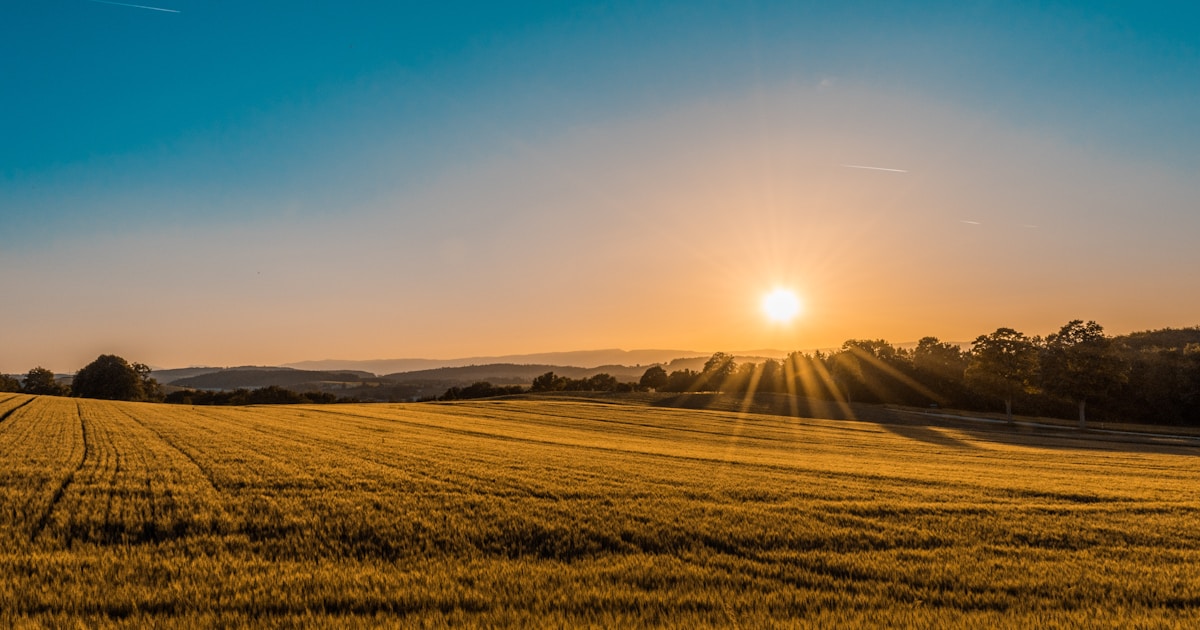
Pecan Harvest Happens in the Fall
Pecan trees follow a rhythm that's been the same for centuries. They bloom in the spring, develop nuts through the summer, and drop their crop in the fall. The main harvest window runs from October through December, with the exact timing depending on the variety and the region.
If you've ever driven through pecan country in November, you've seen the harvest in action. Giant mechanical shakers grab tree trunks and vibrate them until the pecans rain down. Sweepers collect them off the ground. Harvesters scoop them into trailers. It's organized chaos, and it happens fast because the window is short.
Month by Month Through the Season
January through March: The trees are dormant. No leaves, no activity. This is when growers prune, fertilize, and prepare the orchard for the coming year. Any pecans still being sold during these months are from the previous fall's harvest, kept in cold storage.
April: Pecan trees start pushing out new leaves and catkins (the pollen-producing structures). Pollination happens in April and May, and it's entirely wind-driven. Bees play almost no role in pecan pollination. Each tree needs pollen from a different variety to set a good crop, which is why orchards plant multiple varieties together.
May through June: Tiny nutlets form after pollination. This is a critical period. Drought stress, late freezes, or heavy pest pressure during these weeks can reduce the crop significantly. Growers watch the weather closely and irrigate when needed.
July through August: The nuts are growing but the shells haven't hardened yet. This is when the kernel starts filling out inside the shell. Water is critical during this period. A pecan tree producing a full crop can use over 200 gallons of water per day during peak summer.
September: The shells harden and the husks (the green outer covering) start to split open. You can see the pecan shells peeking through the cracked husks. Early-ripening varieties like Pawnee may start dropping nuts in late September in warmer regions.
October: Harvest begins in earnest. Early varieties are coming off the trees across Texas, Louisiana, and the deeper South. Growers in Georgia and South Carolina are watching their trees closely, waiting for the right moment. Pecans that fall too early may not be fully mature. Pecans that stay on the tree too long risk rain damage and quality loss.
November: Peak harvest month. This is when the majority of the U.S. pecan crop comes off the trees. The big producing states, Georgia, New Mexico, Texas, are all running at full speed. Shelling plants are operating around the clock. It's the busiest time of year for everyone in the pecan industry.
December: Late varieties are still being harvested in some regions. Post-harvest processing continues. Pecans are sorted, graded, and either shipped to market or placed in cold storage for year-round availability. Most fresh-harvest pecans you buy during the holidays were on a tree just weeks earlier.
Regional Differences
The pecan belt stretches from the Atlantic coast of the Carolinas all the way to the deserts of New Mexico and Arizona. That's a massive geographic range, and the growing conditions vary enormously.
In the Southeast (Georgia, South Carolina, Alabama, Florida), the climate is warm and humid. Pecans grow well here, but disease pressure is higher because of the moisture. Harvest tends to start in mid-October and runs through early December.
In the Southwest (New Mexico, Arizona, West Texas), the climate is dry with intense sun. Pecans grown here tend to have lighter-colored shells and slightly different flavor profiles. The dry air means less disease but also a need for irrigation. Harvest runs about the same time but sometimes extends a bit later.
In the mid-South (Texas Hill Country, Oklahoma, Louisiana), conditions are somewhere in between. Texas is the second-largest pecan producing state in the country, and the range of growing conditions within the state alone is remarkable.
Why Freshness Matters
Pecans are about 70% fat by weight. That's what makes them taste so good. But it's also why freshness matters so much. Those fats can go rancid over time, especially when pecans are exposed to heat, light, or oxygen. A fresh pecan tastes completely different from one that's been sitting on a shelf for a year.
Fresh pecans have a clean, buttery sweetness with no bitterness or off flavors. They snap when you bite them. The texture is firm but not hard. Stale pecans taste flat, sometimes bitter, and they lose that satisfying crunch.
At Molly and Me Pecans, freshness is a priority. We source pecans from the current or most recent harvest and store them properly until they're ready to roast. Our small-batch approach means we're not sitting on inventory for months. When you order from us, the pecans in your bag were roasted recently, not six months ago.
How We Work with the Seasons
Our roasting schedule follows the harvest calendar. We ramp up production in late fall and early winter when the freshest pecans are available. We buy enough high-quality stock to carry us through the year, storing it in controlled conditions to maintain freshness.
By the time the next harvest comes around, we're working through the last of the previous year's stock and ready to start fresh again. It's a natural cycle that keeps our products tasting their best year-round.
Want to know more about how we source and roast our pecans? Visit our About Us page to learn about the Tollmann family and our Pawleys Island kitchen.